
 ):
):They say we have two seasons up here: winter and the 4th of July.
):The NY Times reports more problems with organic certification from China (surprise, surprise), this time a case of conflict of interest by the Organic Crop Improvement Association, which used employees of a Chinese government agency to inspect state controlled farms.
As demand for organic food rises, and supplies become more questionable (China, the Bush administration, corrupt corporations, farmers who just lie to get higher prices), the answer is in our own backyards. My organic seeds come from reputable organic companies like Seeds of Change and Johnny's. My soil has never been treated with fumigants (not since I've been living here anyway) or herbicides. My fertilizer is manure from organically fed horses and cows. My plants are never sprayed with synthetic pesticides. In short, my produce is certified organic by the best inspector of all: me.
Home gardening has been growing in popularity very quickly in the last few years. Demand for gardening products is way up. Seed stores often have trouble keeping seeds in stock. People just don't trust the corporate dominated system to deliver organic food, so they're doing it themselves.
A great side effect of this phenomenon (there's even an organic garden at the White House now) is the savings in fuel used to grow and transport food, savings in petroleum used to create pesticides, savings in greenhouse gas emissions from all of the above activity, reduction of emissions by composting instead of throwing food waste in landfills, and a whole host of other beneficial aspects to organic gardening.
Now I have to go find a way to keep the chipmunks from digging up my cilantro seeds (which I grew myself last year). Seems they know organic when they eat it!
"Now serious questions about certification in China have been raised by the United States Agriculture Department. The agency, which uses private groups to conduct most organic inspections worldwide, has banned a leading American inspector from operating in China because of a conflict of interest that strikes at the heart of the organics’ guarantee. The federal agency also plans to send an audit team to China this year to broadly review the certification process."
- U.S. Drops Organic Food Inspector in China - NYTimes.com (view on Google Sidewiki)
With all the news lately that organic is indeed better for you (and especially better for the planet, including healthy soil working as a carbon sink), it is especially important that this government (the first lady of which is making important strides for organics, local, and fighting childhood obesity) make its oversight of the organic certification process as transparent as possible.
Furthermore, it is essential that the National Organic Standards Board include members who are not representatives of corporate agribusinesses. If we really want people to eat more local food, we need to work to decentralize the food system, and small, local producers should be represented on the board.
The fact that the Obama administration has continued the Bush practice of keeping the nominees to the board secret is simply unacceptable, and further fuels the theory that corporations rule the world. After all, look where government trust of these money-grubbing machines has gotten us.
Eight years of foxes in hen houses has left us with a lot of dead chickens (or pelicans). Especially when it comes to our food--the number one factor in determining our health--we need to be open and fair about regulating what should be a guarantee that our food is healthy and organic.
"“During the Bush administration we saw crass politics, at its worst, in play during the NOSB appointment process,” said Will Fantle, Codirector of The Cornucopia Institute."
- Watchdog Calls on USDA to Boost Transparency in Organic Governance | Cornucopia Institute (view on Google Sidewiki)


 is higher than on people who cannot afford it. People who can afford it, in fact, have more of an ethical obligation to go organic, which will increase demand for organic products, thereby increasing supply and lowering the price for everyone. The affluent shoppers must sustain the sustainable so that we can increase the supply of sustainable food and products.

‣ Our coffee beans all come from our own land, all unmixed with questionable crops from other farms.‣ Each bag is processed here under our direct control, no secondary party management!‣ We operate the farm ourselves, twelve months of the year: we are not absentee.‣ We use traditional fermentation (with mountain rainwater no chlorine) followed by natural sun drying.‣ Your coffee (before roasting) is cured AND kept protected in a climate controlled room,when you order, then we fresh roast and ship it right out to you for your best enjoyment.‣ Each person here is dedicated to and educated in strict organic practices, our compliance is certified.‣ We don't "send out" our coffee for any step, it's never exposed to questionable handling by third parties.

By offering organic food to our customers, we feel like we're helping everyone do the right thing. Organic food is better for our customers' health, and it's better for the environment. Organic food has been found to be more nutritious, and it is grown or raised without any of the harmful petro-chemicals that are found in high doses on conventionally grown food. Pesticides and herbicide residues stay on food, even after washing, and can cause serious harm to your health. Chemical fertilizers destroy soil tilth and depend on an oil-based economy that is not sustainable. By using organic food for your catered meals, you are voting with your dollars to change the way food is produced.When I was working on their new organic page, I did some research and found that there are a lot of caterers who have gone organic, many of whom are strictly organic. The one thing that's still hard to find is grass-fed beef, but things are getting better, and grass-fed will catch on just as organic has.

 in earnest (the St. Patty's day peas were a crap out), I came across radicchio
 , collards
 , spinach
 , carrots
 , and miner's lettuce, all doing just fine, thank you, as if they had been in suspended animation and just, spring, came back to life.
 , the sugar substitute in Equal, which kills ants when they eat it. Since I know he doesn't want anything even potentially dangerous around his kid, I shied him away from the faux sugar and pointed him toward some new tactical weapons in the looong war.
Once I threw some chunks of fat (we were battling the fatatee--a meat eating sect in So Cal) into the corners of my property, which I then blocked off with a thick standing infantry of diatomacious earth, after making sure that civilian children could not access the area. This classic misdirection move, followed by a pincer attack of fat bait laced with boraxsurrounded by diatomacious earth
with howitzers of ant chalk laying down circles of indirect fire support in the gaps in our front line.
They tried to flank us near the barbeque, but I sprayed them with cedar oil there and they beat an angry retreat into the neighbor's yard, where they were probably met with synthetic chemical warfare, which is against the Geneva conventions of insect warfare, to which we are a signatory.

Grass is a perennial. If cattle and other ruminants are rotated across pastures full of it, the animals' grazing will cut the blades, spurring new growth, while their trampling helps work manure and other decaying organic matter into the soil, turning it into rich humus. And healthy soil keeps carbon dioxide underground and out of the atmosphere.

New Management at USDA Reforms, Strengthens National Organic Program
WASHINGTON, DC: After an extensive audit and investigation of alleged improprieties at the USDA’s National Organic Program, the agency’s Office of Inspector General (OIG) made public their formal report, dated March 9, substantiating the allegations of prominent organic industry watchdog groups — that under the Bush administration, the USDA did an inadequate job of enforcing federal organic law.
Since 2002, when the USDA adopted the federal organic regulations, the agency has been plagued by underfunding and a number of scandals and complaints about its cozy relationship with agribusiness interests and lobbyists.
 , haven't we? That was the whole Bush raison d'être.

 this evening. Some traditions are worth keeping.
Monsanto deserves its critics. They genetically engineered plants to resist Roundup, and now the weeds are doing the same to keep up. Way to go Monsanto...
in reference to:"Scientists said on Friday they have confirmed expanding weed resistance to a key ingredient in Monsanto's (MON.N)widely used Roundup herbicide, a troubling development for farmers and fresh fodder for Monsanto critics."
- UPDATE 1-More US weeds found resisting Monsanto Roundup | Reuters (view on Google Sidewiki)
 that had built the prairie over eons of rotation through those fields. And look at those fields now... barren big agri wastelands polluted with petroleum-based farming known as synthetic chemical subsidized agri-business. And then look at the feed lots where thousands of animals are concentrated into environmental grass lands.
CEDAR OIL for more than a 1000 years is and has been a proven method of pest control that emphasizes simple, inexpensive, 100% organic practices that cause no harm to people or the environment. CEDAR OIL focuses on building a barrier of entry on the perimeter of your property, so bugs stay out of your yard, which means they stay out of your home. At Natural Pest Free we are dedicated to reducing the health risk and environmental impacts of pesticides and promoting organic alternatives to homeowners across America, one home at a time.

 , which rabbits and deer love. They'll stop and eat the clover and be happy with it, never making it deep into the garden where the expensive goodies are. Occasionally there's a deer (like our regular visitor, Scarface, shown here), who gets deep into the garden where he's learned to love pea shoots (who doesn't). In that case I use hot pepper waxes
 , another barrier--one that sends scarface running for the nearest water.
...control of Head lice, Mosquitoes, Flies, Fleas, No-See-Um, Chiggers, Ticks, Chinch Bugs, Grub Worms, Mites, Mole Crickets, Earwigs, Slugs, Snails, Caterpillars, Beetles, June Bugs, May Bugs, Root Maggots, Army Worms, Weevils, Wire Worms, Ants and Termites.
 , I just pour some fresh hot water down the hole to melt any new snow that accumulated, then I dump my compost bucket
 down the hole, layer some manure on top of that, and then a couple of handfulls of hay (or the cedar shreds I take out of our turtle cage when I clean it, which has turtle manure) down the hole. Come spring (or another thaw like we had a week ago) there will be a bunch of cylinders of frozen compost sticking up on the top of the pile. I'll be sure to take a picture of that scene.
 , I'll have plenty of currency saved up for the soil bank!
 would use insulating and solar power to keep your pile going year around, unless you're above the arctic circle.
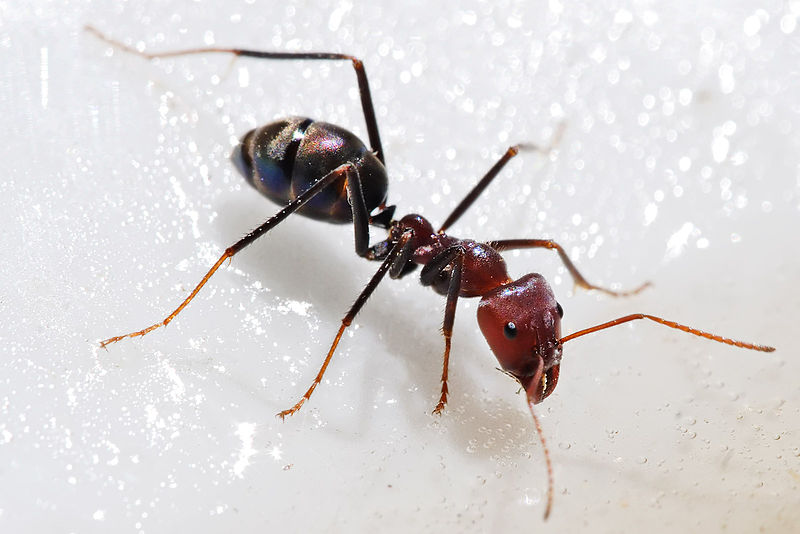
 --not the kind for pools, but the finer kind used to kill bugs--you can pile it on the mound and in a radius of a foot or so, more if it's big. The powder is so fine it clogs the breathing pores in their skin. Be sure not to breathe the stuff, as it will do the same to your lungs. They will die trying to get out. In fact, they will build a bridge of dead ants and crawl over them, so you have to keep going there, raking the area free of dead any bridges, and reapply as needed. Watch for places where they try to tunnel out, and apply there to. Obviously, you're going to have to be patient and vigilant. Kind of like democracy.
Good looking and inexpensive hoop houses are the focus of this White House Blog post by Sam Kass, assistant chef and Food Initiative Coordinator for the WH.
Glad to see they're growing all my favorites, especially mustard greens! I wish I'd had the time to put in some hoops over my greens. Too busy of a year-end for us to get out there and do much.
I'm looking forward to seeing what lives through being mulched, buried under a blanket of snow for a few months, and then uncovered in the spring. I know the spinach plants will start up again, but I also mulched some small mustard, collards, mizuna, and miner's leaf lettuce.
So, I'll just think of not having hoops out there as an experiment into what survives the winter up here in zone 5... If you mulch it, will it come back?


